
Nanobubble equipment
Review gas source, tank or loop hydraulics, operating schedule and monitoring for the existing facility or a new build.
APPLICATION AQUACULTURE
Aquaculture performance is shaped by temperature, biomass, feeding, circulation and biological load. SORA is proposed as part of a monitored water-management system - not as a stand-alone promise of growth or survival.
Language selection does not determine the project destination. This desk does not accept Nanobubble inquiries for Thailand.
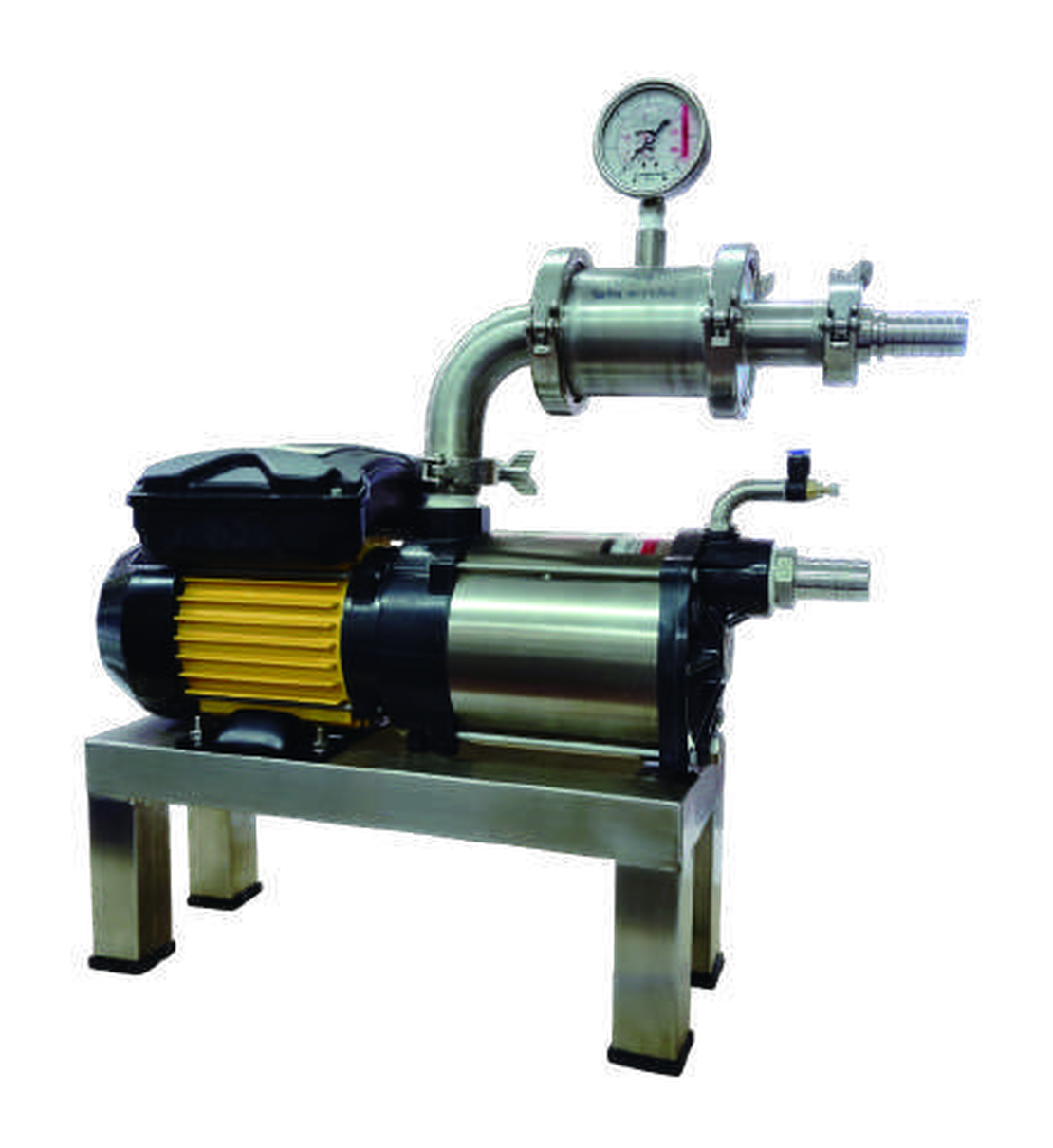
THE OPERATING PROBLEM
Warmer water generally holds less dissolved oxygen, while stock respiration, feeding and biological decomposition increase demand. A useful discussion therefore starts with the lowest-oxygen period and the highest realistic load.
The role of a nanobubble system is evaluated within the complete circulation and aeration strategy, including backup and alarm requirements.
WHAT WE CAN PROPOSE
Review gas source, tank or loop hydraulics, operating schedule and monitoring for the existing facility or a new build.
Where biological water-quality management is relevant, evaluate BIO-β as a distinct variable within the same project plan after its water-use documentation, compatibility and local requirements are confirmed.
Set representative loading, baseline DO and water-quality indicators before deciding the full-scale configuration.
MANUFACTURER FIELD MATERIAL
The official NANOBEST JAPAN page and catalog show a SORA-GR installation in a Hokkaido shrimp-aquaculture environment and link to a field video. The catalog also presents a 50-day growth image.
The public material does not provide the control design, sample size, complete water data, feeding protocol or statistical analysis needed to attribute growth solely to the generator. We therefore present it as field context, not a universal growth claim.
PREPARE FOR A TECHNICAL CALL
VALIDATION PLAN
Capture DO and water-quality variation over representative days and loading conditions.
Document configuration, run time, gas, flow, temperature and any concurrent management change.
Review DO stability, water-quality indicators, energy, maintenance and operator workload.
Assess growth, feed use, health or survival only with an appropriate protocol and specialist oversight.
SOURCE TRANSPARENCY
See who provided each source and how it is treated in the sales narrative.
Primary manufacturer-provided product and application source; claims are not treated as independent validation.
Used for solution architecture only. Biological outcomes require site-specific validation.
Used to cross-check the proposed circulation, aeration, filtration and microorganism components.
Used to cross-check model labels, test figures, application diagrams and field photographs.
Field context only. The public source does not provide a controlled study protocol sufficient to attribute outcomes solely to the equipment.
AQUACULTURE PROJECT REVIEW
Send species, water type, volume, temperature, biomass, feeding and current aeration. We will prepare a focused first discussion.
Language selection does not determine the project destination. This desk does not accept Nanobubble inquiries for Thailand.