
Equipment
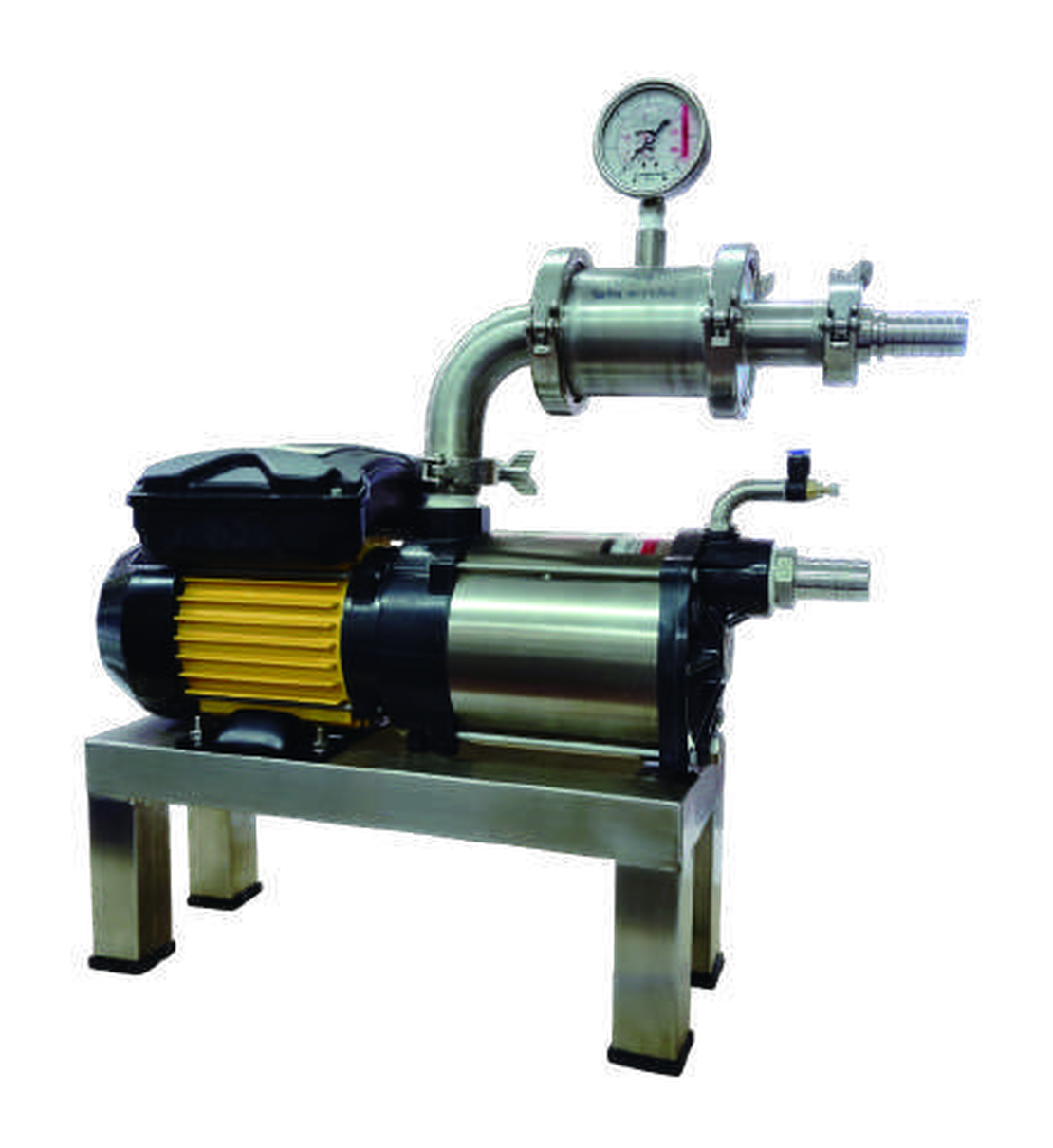
Official photographs, model names and application layouts for SORA nanobubble generators.
EVIDENCE ROOM
This page shows how the technical and field materials are used. Manufacturer measurements are valuable discussion inputs, but they are not converted into universal performance promises.
Language selection does not determine the project destination. This desk does not accept Nanobubble inquiries for Thailand.
WHAT THE MATERIALS SHOW
Official photographs, model names and application layouts for SORA nanobubble generators.
Particle-size / concentration graphs and dissolved-oxygen observations associated with specific depicted tests.
Manufacturer-proposed uses across aquaculture, agriculture, water treatment and cleaning.
A Hokkaido shrimp-aquaculture installation, catalog images and videos linked from the official page.
SELECTED MANUFACTURER OBSERVATIONS
< 1 μm
Terminology threshold; not a product certification or performance result.
Open source74 nm
One depicted sample and measurement, not a guaranteed output under all conditions.
Open source1.29 × 10⁸ / mL
Manufacturer catalog observation with stated uncertainty; cross-comparison requires compatible sampling and methods.
Open source7.24-12.3 mg/L
Manufacturer test observation; water temperature and test setup are material.
Open sourceUp to 30.0 mg/L
Manufacturer test-specific observation, not a guaranteed result for a customer system.
Open sourceHOW TO READ THE DATA
FIELD CONTEXT
The official source supports the statement that a SORA-GR system was introduced into a shrimp-aquaculture environment in Hokkaido and that field imagery / video exists.
It does not, in the reviewed public material, establish a controlled causal claim for a specific growth, survival, feed, water-quality or economic outcome. Such claims require the original protocol and data.
PROJECT EVIDENCE
State the operating or commercial hypothesis before the test.
Record water, temperature, flow, gas, load, equipment and all relevant concurrent changes.
Define instruments, sampling points, timing, controls and acceptance criteria.
Report favourable and unfavourable observations with the test limitations.
Link the technical result to economics, operations, safety and scale-up risk.
SOURCE TRANSPARENCY
See who provided each source and how it is treated in the sales narrative.
Independent terminology reference. It defines terminology; it does not validate a specific product's performance.
Primary manufacturer-provided product and application source; claims are not treated as independent validation.
Source for model descriptions, depicted measurements and application diagrams. All numbers are test-specific observations, not guaranteed site results.
Used to cross-check model labels, test figures, application diagrams and field photographs.
Corroborating source for the depicted particle-size, particle-count and dissolved-oxygen measurements; promotional superlatives are excluded.
Used for solution architecture only. Biological outcomes require site-specific validation.
Used to cross-check the proposed circulation, aeration, filtration and microorganism components.
Source for proposed application areas; unsupported health, sterilisation and outcome claims are not reproduced.
Used only to establish that a separate beneficial-microorganism product line is proposed. Identity, formulation, directions, efficacy, safety and market permissions require confirmation before a commercial claim is made.
Visual reference for equipment and operation; not treated as quantitative evidence.
Field context only. The public source does not provide a controlled study protocol sufficient to attribute outcomes solely to the equipment.
REQUEST THE RIGHT MATERIAL
We can align the available manufacturer material with the application questions and identify what still requires project-specific testing.
Language selection does not determine the project destination. This desk does not accept Nanobubble inquiries for Thailand.