System integration
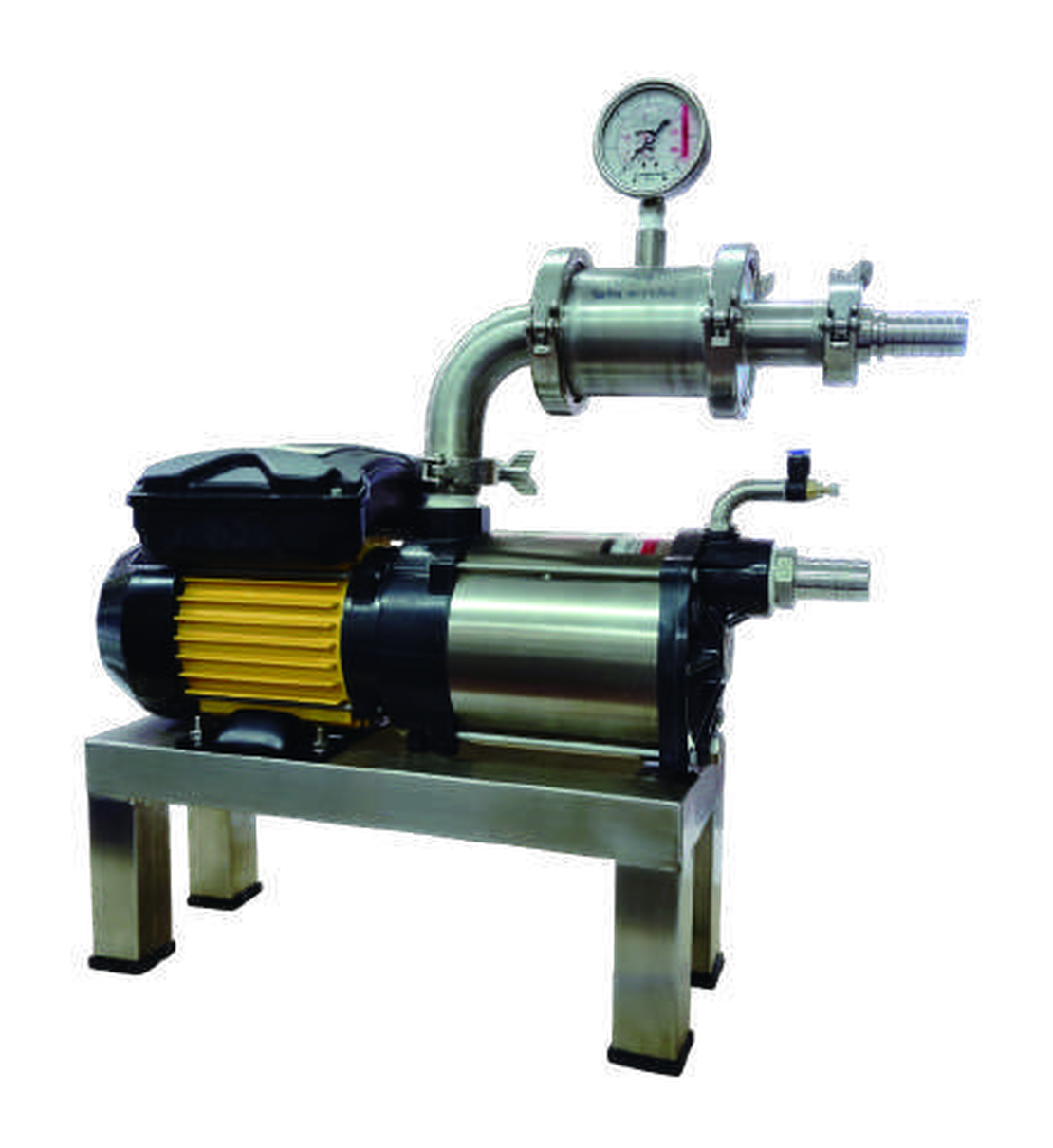
Integrate a nanobubble generator into a larger aquaculture, agriculture, water-treatment or cleaning solution.
OEM INTEGRATION CO-DEVELOPMENT
For equipment companies, water-technology providers and application specialists, NANOBEST JAPAN accepts discussions about OEM and partnership structures. Every project begins with feasibility, role clarity and validation - not an automatic promise of custom supply.
Language selection does not determine the project destination. This desk does not accept Nanobubble inquiries for Thailand.
COLLABORATION MODELS
Integrate a nanobubble generator into a larger aquaculture, agriculture, water-treatment or cleaning solution.
Explore product, branding and documentation requirements after technical and commercial feasibility is established.
Combine NANOBEST product knowledge with a partner's local process, installation and market expertise.
Develop a repeatable proposal for a defined country and vertical, subject to local compliance and service readiness.
QUALIFICATION
DEVELOPMENT GATES
Confirm strategic fit, roles, territory and the real customer need.
Review performance requirement, configuration, documentation and compliance gaps.
Test the defined application and agree acceptance criteria.
Set pricing, minimums, forecast, branding, IP, quality, warranty and support.
Train the channel, control claims, track enquiries and review field feedback.
SOURCE TRANSPARENCY
See who provided each source and how it is treated in the sales narrative.
Shows corporate OEM activity, primarily for other NANOBEST product lines. It does not by itself confirm that every nanobubble model is available for OEM; nanobubble scope and commercial terms require feasibility review.
Primary manufacturer-provided product and application source; claims are not treated as independent validation.
Used for corporate identity and official contact context.
Source for model descriptions, depicted measurements and application diagrams. All numbers are test-specific observations, not guaranteed site results.
OEM QUALIFICATION
Send your company profile, target country, use case, expected volume and integration requirements for an initial feasibility review.
Language selection does not determine the project destination. This desk does not accept Nanobubble inquiries for Thailand.