Aeration basins
Assess whether a nanobubble configuration can support the facility's oxygen-management objective within the existing biological process.
APPLICATION WATER TREATMENT
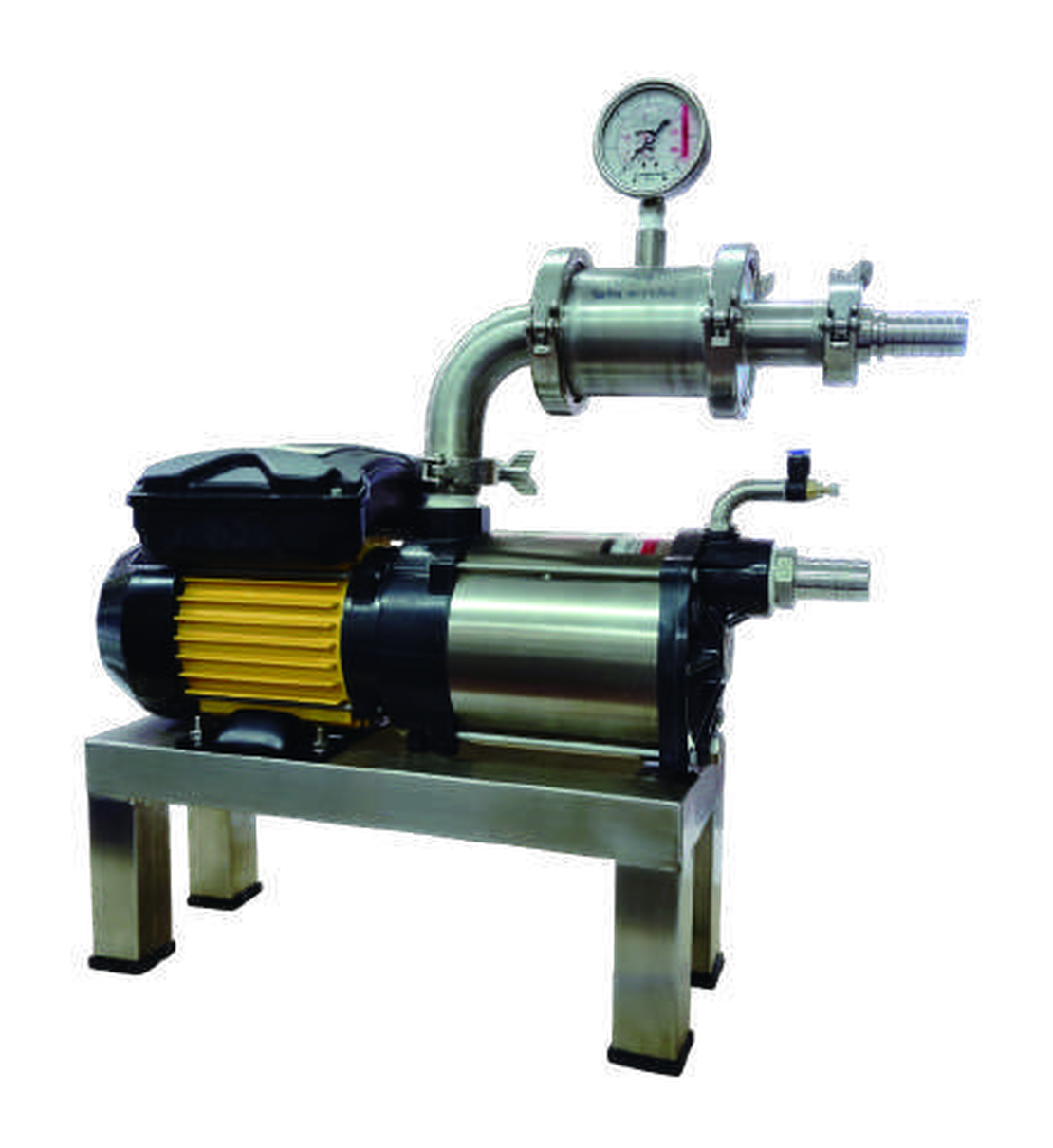
NANOBEST materials present nanobubbles for aeration, filtration and water-quality applications. The right proposal depends on influent, tank geometry, biological process, discharge target and the existing treatment train.
Language selection does not determine the project destination. This desk does not accept Nanobubble inquiries for Thailand.
POTENTIAL FIT
Assess whether a nanobubble configuration can support the facility's oxygen-management objective within the existing biological process.
Review circulation, seasonal oxygen demand, organic loading, algae-management objectives and maintenance constraints.
Characterise influent variability and the treatment train before considering integration.
Evaluate gas transfer and monitoring in relation to filtration, residence time and reuse objectives.
CHOOSING THE PATH
| Decision | Nanobubble equipment | Nanobubble + BIO |
|---|---|---|
| Use when | The primary question is gas transfer, oxygenation or circulation | BIO-β water-use documentation may fit an existing biological-treatment strategy |
| First evidence | DO profile, flow, power, water chemistry and process response | All equipment data plus exact BIO identity, safety, compatibility and local permissions |
| Validation | Baseline-versus-treated process indicators | A design that can distinguish equipment, BIO and combined effects where practical |
PROCESS DATA
ENGINEERING AND COMPLIANCE
Manufacturer materials list multiple gases for selected configurations. That does not mean every gas is suitable for every application. Ozone and other non-air gases require separate materials-compatibility, ventilation, worker-safety, residual-control and regulatory review.
SOURCE TRANSPARENCY
See who provided each source and how it is treated in the sales narrative.
Primary manufacturer-provided product and application source; claims are not treated as independent validation.
Source for proposed application areas; unsupported health, sterilisation and outcome claims are not reproduced.
Used to cross-check the proposed circulation, aeration, filtration and microorganism components.
Used only to establish that a separate beneficial-microorganism product line is proposed. Identity, formulation, directions, efficacy, safety and market permissions require confirmation before a commercial claim is made.
Used to cross-check model labels, test figures, application diagrams and field photographs.
WATER-TREATMENT REVIEW
A process diagram and recent water data allow a more productive first meeting than a general equipment enquiry.
Language selection does not determine the project destination. This desk does not accept Nanobubble inquiries for Thailand.