NANOBEST JAPAN | NANOBUBBLE + BIO-β WATER MANAGEMENT
Engineer oxygen, circulation and biological water management as one measurable system.
SORA introduces gas into water under a defined configuration. When biological water management is relevant, BIO-β can be evaluated within the same project—so the equipment, operating conditions and validation plan are considered together.
- Official SORA equipment
- Manufacturer particle & DO records
- Application-specific validation
WHAT THE INTEGRATED PROPOSAL IS DESIGNED TO ADDRESS
Manage gas transfer, circulation and biological treatment through one measurable plan.
Nanobubble equipment and BIO-β have distinct technical roles. NANOBEST JAPAN brings them into one project conversation, then defines what should be configured, documented and measured for the actual water application.
ROLE 01 · NANOBUBBLE
Put the selected gas into the water under controlled operating conditions.
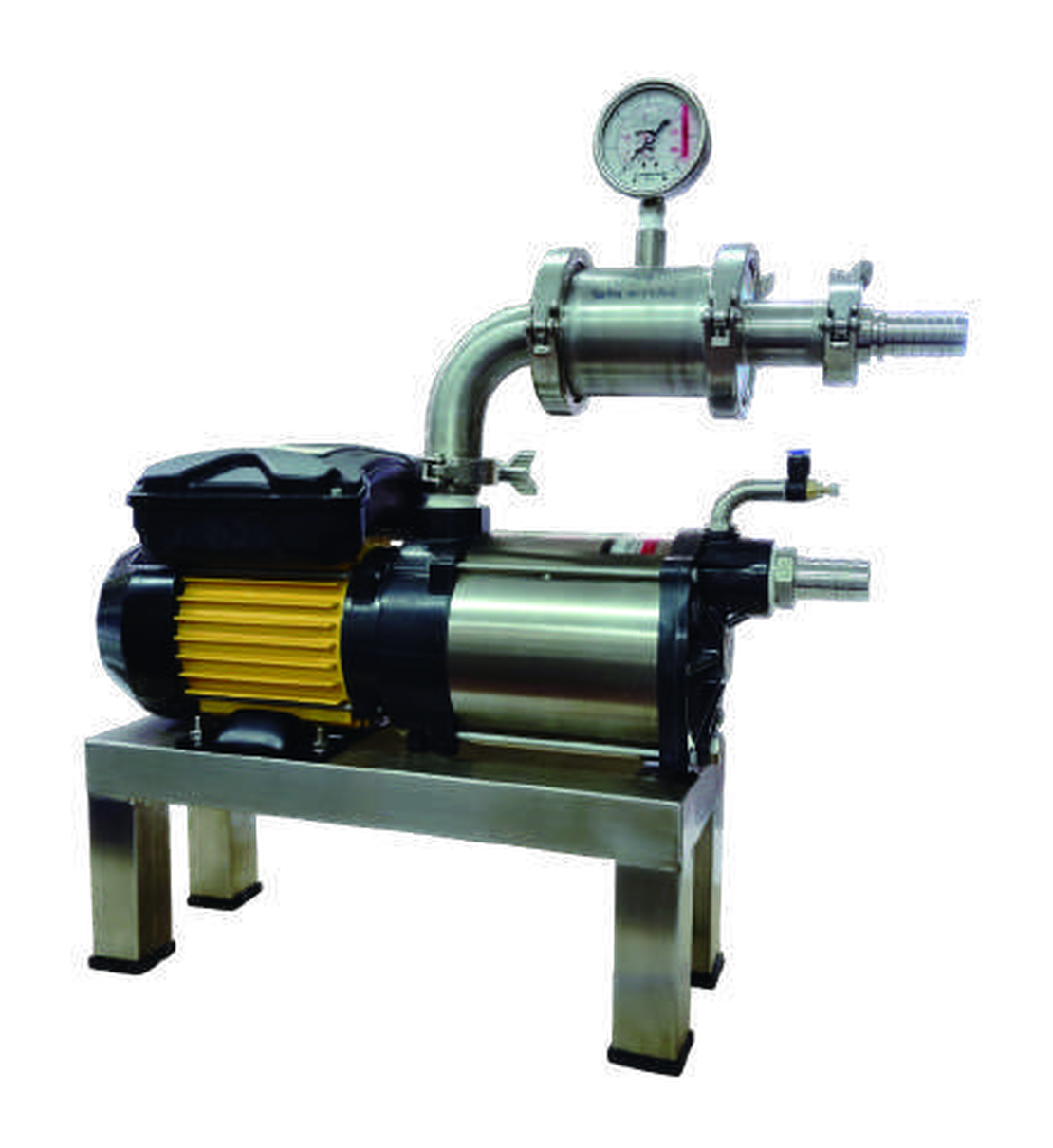
SORA is considered as a compact equipment platform for gas introduction, circulation and dissolved-oxygen management within a defined water process.
- Configure gas-water contact around the actual water volume, flow and operating schedule
- Examine dissolved-oxygen behaviour under documented water-temperature and process conditions
- Integrate the equipment with the existing tank, loop, aeration and monitoring arrangement
Evaluate dissolved oxygen over time, water temperature, flow, energy use and the indicators that matter to the application.
ROLE 02 · BIO-β
Evaluate a documented microbial route within the biological process.
Supplied materials position BIO-β as an option involving beneficial microorganisms for organic-matter breakdown and nitrogen-cycle management. Its actual contribution must be evaluated for the intended water application.
- Consider microbial organic-matter management where the process and documentation support it
- Explore a potential role in nitrogen-cycle management within a defined biological system
- Confirm product identity, intended use, handling, safety and country requirements before a trial
Use application-specific water-quality or process indicators and distinguish the BIO-β variable wherever the test design allows.
FROM WATER CONDITIONS TO A TESTABLE CONFIGURATION
Understand the process before deciding the system.
A useful proposal starts with the water and the operating problem, not with a brochure claim. The following sequence keeps the technical discussion practical and commercially relevant.
- 01
Characterise the water
Confirm source, volume, flow, temperature, pH, dissolved oxygen, organic load and the current treatment or circulation process.
- 02
Configure gas and circulation
Review the SORA model, gas source, hydraulic layout, operating time, sampling points and integration constraints.
- 03
Define the BIO-β role
Confirm the exact product, intended use, documentation, compatibility and the biological indicators relevant to the project.
- 04
Validate before scale-up
Record the baseline, agree the measurement method and use pre-defined decision criteria before commercial expansion.
ENTER THROUGH YOUR OPERATING PROBLEM
See what the proposal could mean for your industry.
Each project begins with a different constraint. These routes show what can be discussed and what should be measured before an investment decision.
01AQUACULTURE
Plan oxygen and biological water management around the stock, water and season.
- Operating challenge
- Oxygen demand changes with water temperature, biomass, feeding, circulation and biological load.
- Nanobubble role
- Review gas introduction, circulation and the dissolved-oxygen profile within the complete tank, pond or recirculating system.
- BIO-β role
- Where microbial water management is relevant, evaluate organic-matter and nitrogen-cycle management within the same monitored project.
- What to measure
- Lowest daily DO—not only the average—together with temperature, pH, relevant nitrogen and water-quality indicators, energy and maintenance.
02AGRICULTURE & HYDROPONICS
Treat root-zone oxygen and biological conditions as measurable process variables.
- Operating challenge
- Root-zone conditions change with water temperature, irrigation frequency, substrate, drainage and biological oxygen demand.
- Nanobubble role
- Evaluate gas introduction and dissolved-oxygen behaviour in irrigation or nutrient water under the actual cultivation method.
- BIO-β role
- Where the documented intended use supports it, assess microbial organic-matter and nitrogen-cycle management in irrigation or nutrient water.
- What to measure
- DO and temperature at defined points, irrigation conditions and pre-agreed crop, quality and commercial indicators.
03WATER & WASTEWATER TREATMENT
Start with the load, oxygen demand and treatment objective.
- Operating challenge
- Influent, organic load, tank geometry, oxygen demand and the existing biological process vary by facility.
- Nanobubble role
- Review aeration, gas transfer and circulation within the existing treatment train and hydraulic conditions.
- BIO-β role
- Where documentation and local requirements support it, assess BIO-β as an option within the aerobic biological-treatment plan.
- What to measure
- Flow, DO, energy and application-relevant indicators such as COD, BOD, nitrogen or suspended solids where appropriate.
04CLEANING & PROCESS WATER
Evaluate the real material, contamination and operating cycle.
- Operating challenge
- Cleaning performance depends on material, contamination, water quality, temperature, pressure, chemicals and contact time.
- Nanobubble role
- Test a nanobubble-centred water configuration against the actual cleaning target and current process.
- BIO-β role
- Consider BIO-β only when a documented biological-decomposition use is relevant; it is not assumed for every cleaning project.
- What to measure
- Cleaning result, water, chemicals, energy, cycle time, material compatibility and repeatability.
DOCUMENTED OBSERVATIONS, CONDITIONS INCLUDED
Use manufacturer data as a starting point—not a universal promise.
The following values are observations described in NANOBEST JAPAN-provided materials. They help frame a technical discussion, while the customer site still requires its own baseline and validation method.
Observed particle-size range
Manufacturer materials show nanobubble particle observations within this range across referenced models and tests.
Values differ by model, sample and test. This is an observed range, not a guaranteed output specification.Field dissolved-oxygen observation
One field record dated 8 February 2024 shows the displayed DO reading changing from 6.5 to 10.0.
Water temperature: 23.6°C. The source does not state the unit or elapsed time. A single field record; not a guaranteed result for another site.NanoSight sample observation
One manufacturer catalog sample reports a 74 nm maximum-frequency diameter and a concentration of 1.29 × 10⁸ particles per mL.
Both values relate to the same depicted sample. Sampling, water and measurement conditions must be considered before comparison.Results depend on source water, temperature, gas, flow, pressure, circulation, organic load, sampling and the surrounding process. Project performance is confirmed only through application-specific validation.
Discuss These Data for Your ApplicationPREPARE A USEFUL FIRST REVIEW
Send what you know about the water and the decision you need to make.
A short operating brief helps us move beyond a generic equipment enquiry and identify the right technical and commercial questions.
- 01Country, industry and installation setting
- 02Water source, volume or flow and temperature range
- 03Current dissolved oxygen, pH or water-quality data when available
- 04Existing tanks, circulation, aeration, filtration or treatment process
- 05The problem to improve and the indicator used to judge it
- 06Whether the discussion concerns installation, distribution, OEM or partnership
DISTRIBUTION & PARTNERSHIP
Build a serious market-development conversation.
For distributors, integrators and prospective partners, we begin with territory, target industries, customer access and the technical or service role you can support. Commercial scope is confirmed for each project.
Ask about distribution & partnershipWHAT HAPPENS AFTER YOU CONTACT US
Turn initial interest into a qualified project conversation.
- 01
Application review
We review the industry, country, water conditions, current process and target issue.
- 02
Information-gap check
We identify the measurements, drawings or product documents still needed for a useful technical discussion.
- 03
Validation outline
Where feasible, we organise the equipment configuration, possible BIO-β role, indicators and decision criteria.
- 04
Commercial route
Once the scope is clear, the conversation can proceed toward supply, distribution, integration, OEM or partnership.
QUESTIONS BEFORE A FIRST MEETING
Clear answers for a better technical discussion.
01What is the practical difference between SORA and BIO-β?+
SORA is the equipment route for introducing gas into water and discussing circulation and dissolved-oxygen management. BIO-β is a separately supplied microbial-product route described for organic-matter breakdown and nitrogen-cycle management. They are evaluated through distinct variables within one project plan.
02Must every project use both components?+
No. The site presents one integrated project proposition, but the configuration is determined from the application. BIO-β is included only when its documented intended use, compatibility and local requirements support the proposal.
03What results can realistically be evaluated?+
Depending on the application, evaluation may cover dissolved-oxygen behaviour, circulation, water-quality variables, energy, cleaning results or other pre-agreed indicators. A universal treatment, growth or cost-saving result is not assumed.
04What is required before BIO-β can be proposed?+
The exact product identity, intended use, current specification, handling and safety information, transport or import requirements, compatibility and country-specific permissions must be confirmed.
05Can we discuss a pilot, distribution or OEM?+
Yes, where technically and commercially feasible. Pilot scope, territory, customer access, local support capability and commercial responsibilities are reviewed before a commitment is made.
START WITH YOUR OPERATING CONDITIONS
Tell us what needs to work better.
Share your application, water source or condition, current process, country or region, and the discussion you need. Our international sales contact will review the request and coordinate the appropriate next step.
NANOBEST JAPAN GLOBAL TECHNOLOGY PLATFORM
One Japanese platform. Three specialist routes.
NANOBEST JAPAN brings surface, water and energy technologies into three focused B2B conversations. Each specialist site is organised around its own applications, supporting information and route to commercial discussion.
NANOBEST JAPANJAPANESE ENVIRONMENTAL TECHNOLOGIES FOR GLOBAL B2B
Each specialist site covers a separate product field. Availability, specifications, suitability and commercial scope are confirmed for the individual project and market; no result is guaranteed by the portfolio presentation itself.
SOURCE TRANSPARENCY
See the material behind the conversation.
This site is based on NANOBEST JAPAN-provided product and application materials. It does not present manufacturer information as independent certification.
Open NANOBEST JAPAN nanobubble materials